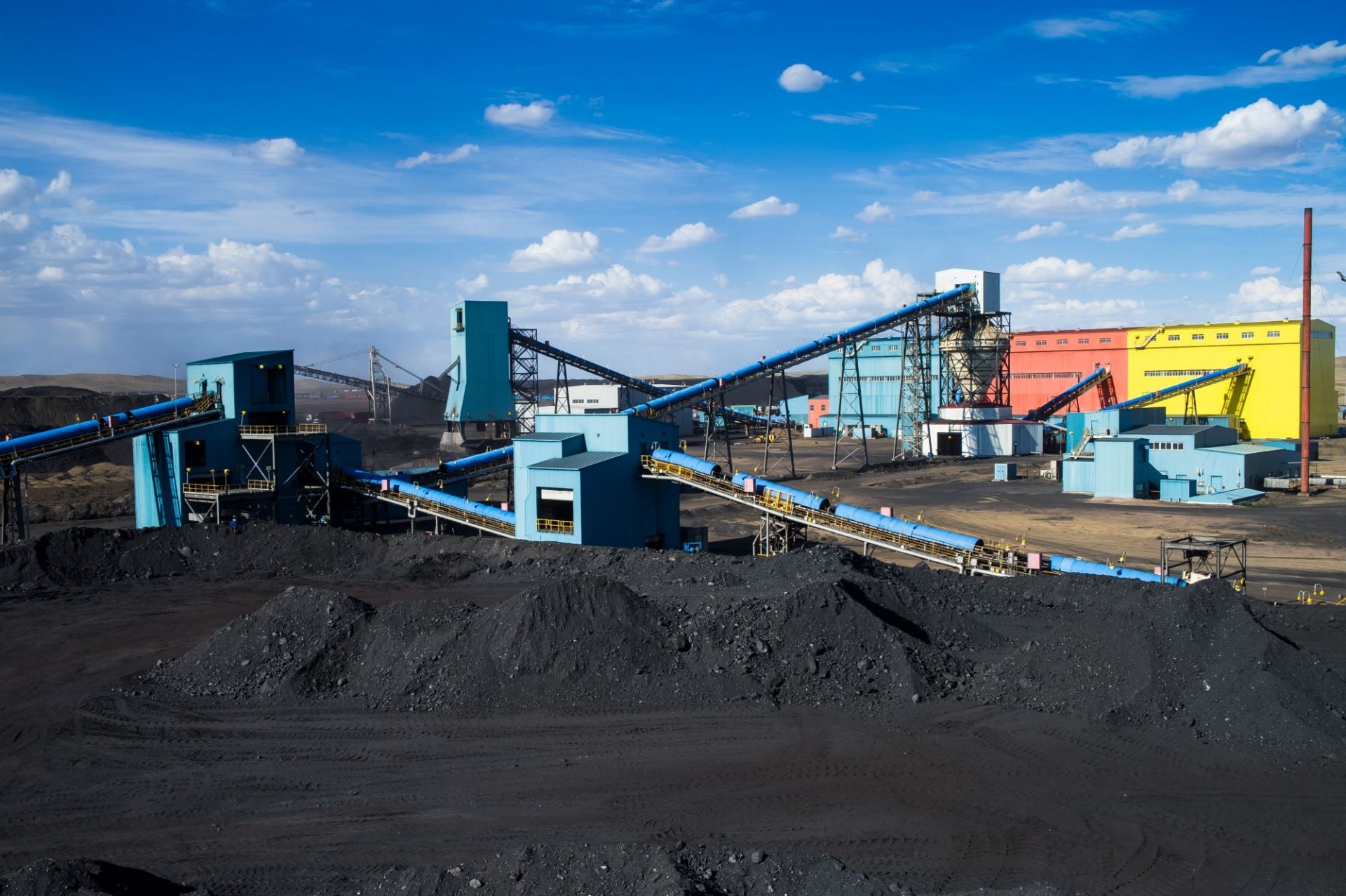
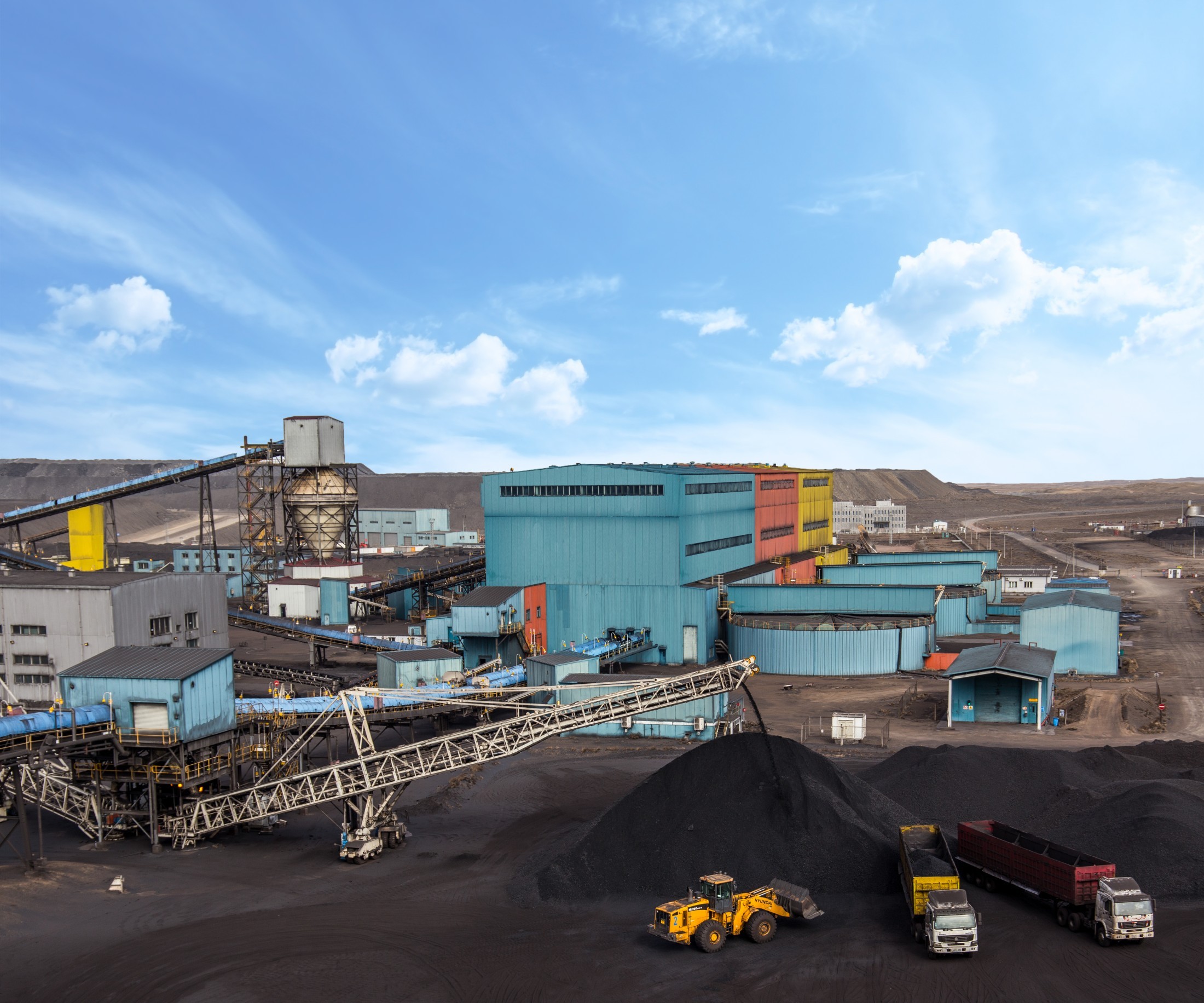
Deputy Prime Minister of Mongolia U. Khurelsukh works in the Tavantolgoi region
The Deputy Prime Minister of Mongolia, U. Khurelsukh, worked in the Gobi aimags on 25–28 March 2015 and on 26 March saw the operations of the mines of the Tavantolgoi region in Tsogttsetsii soum, Umnugobi aimag.

The working visit included more than 30 people, among them the Deputy Minister of Environment, M. Khurelsukh, and representatives of the relevant ministries and agencies. The Deputy Prime Minister visited the mines of the state-owned Erdenes Tavantolgoi, of Energy Resources and of the locally owned Tavantolgoi company one by one. He said it was important for those in government to see the mining and construction work under way in the Gobi region for themselves and to view the issues realistically.
After seeing the operations of Energy Resources, the Deputy Prime Minister of Mongolia, U. Khurelsukh, said:
Our national company has carried out development on this scale and is delivering benefits to the country and to its people. A great many people are working here. I see this as a fine development. In fact all our politicians and those working at the level of government leadership should come here and see Energy Resources on the ground. After all, you can only assess something once you have seen it.
M. Khurelsukh, Deputy Minister of Environment, Green Development and Tourism of Mongolia:
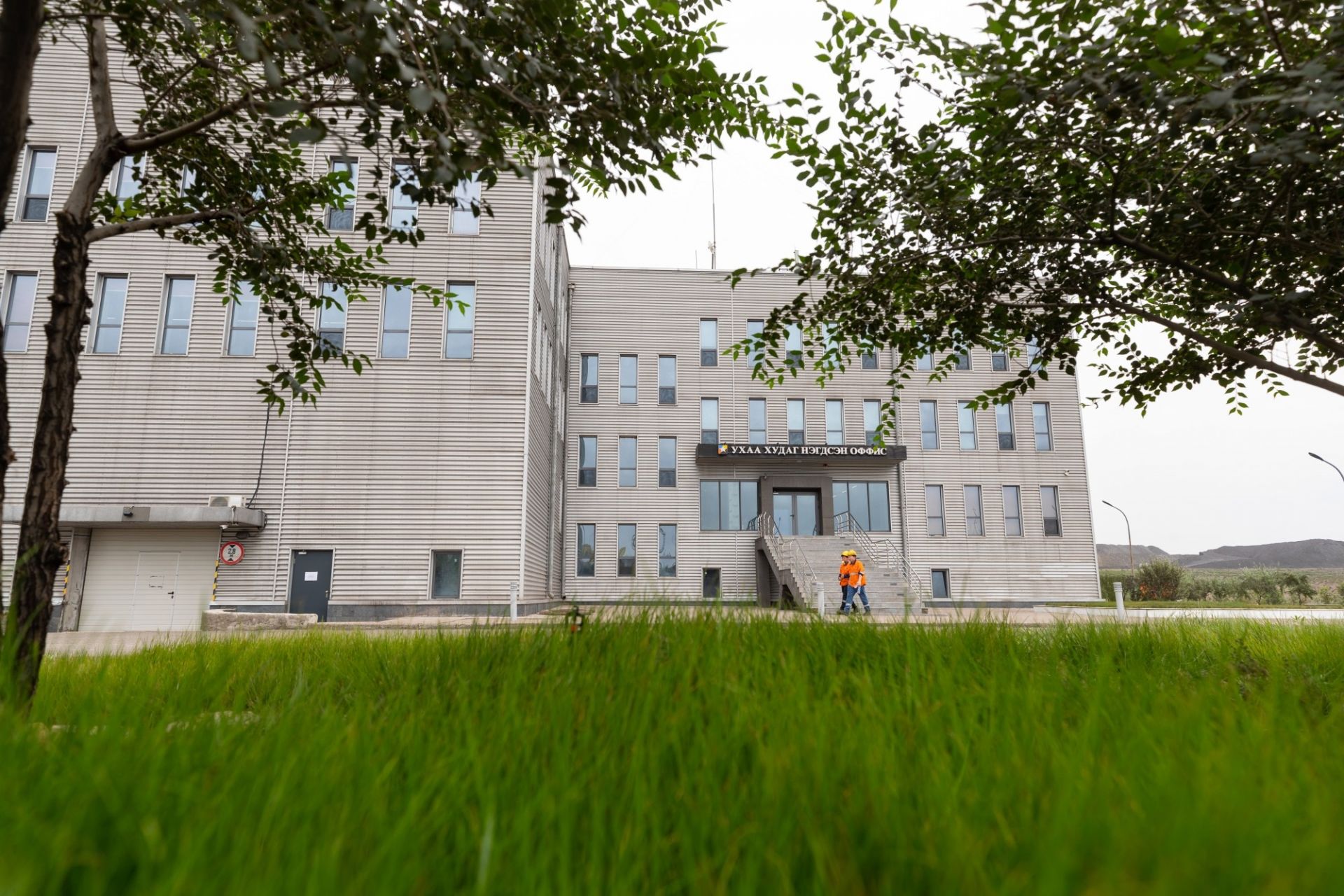
A very large investment has been made. Coal prices were good in 2011. The Ukhaa Khudag project made very good use of that time. It is now clear that if the money had not been raised then, a plant and development like this could not have gone ahead. The subcontractors, suppliers and transport companies here are all Mongolian companies. The work that has been done is plain to see.
The Deputy Prime Minister also saw at first hand the situation and conditions of coal transport from the Tavantolgoi region to Tsagaan Khad and the Gashuunsukhait border crossing and heard from company managers the underlying causes and factors behind hauling on unpaved roads. Local residents and authorities say that most companies continue to haul coal on this route by unpaved road, citing the high and differentiated tariff on the paved road, which damages the land and has an adverse effect on the environment. At present only Energy Resources hauls on the paved road, while other companies use the unpaved road. During the visit, officials corrected misunderstandings about the road tariff and gave the Deputy Prime Minister a detailed explanation. Energy Resources built the 245 km road with its own funds and commissioned it in 2011, and last year the state — Erdenes MGL — purchased it. Of the road price of $118 million, $100 million was paid at the time, and it was agreed that the remaining $18 million would be offset against road tolls. Under this arrangement proposed by the Government, Energy Resources pays a toll of $0.75 and has the other $0.75 offset against the outstanding balance. In other words, officials explained, an equal tariff of $1.5 applies to all companies. The Deputy Prime Minister promised to raise the issue of unpaved-road hauling, which is damaging the Gobi soil, with the relevant bodies and to take urgent measures.